
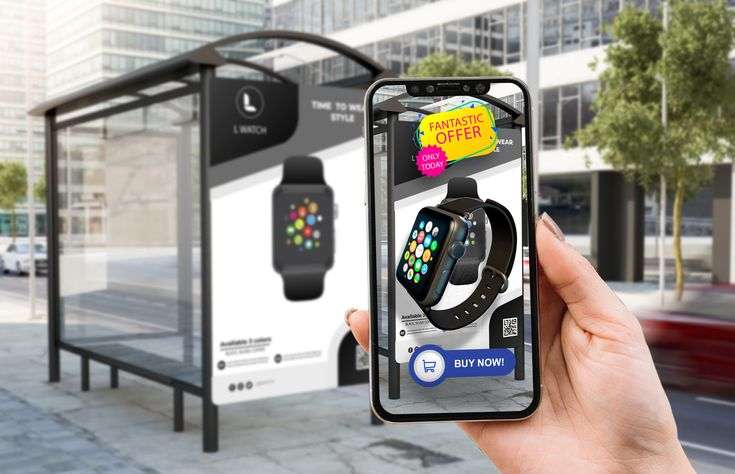

In recent years, Augmented Reality (AR) has transformed industries across the board, and retail is no exception. With its ability to blend the physical and digital worlds, AR offers consumers unique and immersive shopping experiences that were once unimaginable. From virtual try-on technology in fashion retail to interactive product visualization in home decor shopping, AR is reshaping how we shop online and in-store. In this blog, we’ll explore how AR is driving innovation in the retail sector, enhancing customer engagement, and even reducing return rates.
Augmented Reality Shopping Experiences: A Game Changer
One of the most exciting developments in AR technology is the creation of augmented reality shopping experiences. This technology allows customers to interact with products more dynamically and engagingly, whether they’re shopping online or in-store. Instead of simply looking at a product on a screen, AR enables shoppers to virtually try it on, visualize it in their space, or interact with it in 3D.
Virtual Try-On Technology: A Fit for Fashion Retail
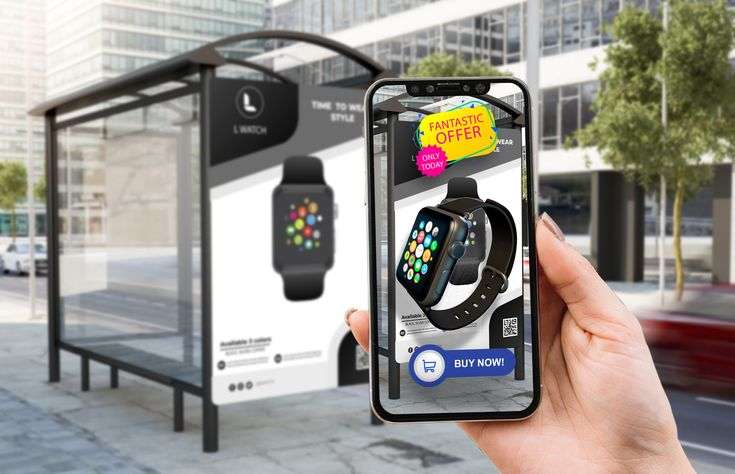
In fashion retail, virtual try-on technology has become a cornerstone of the AR revolution. By using a smartphone or AR glasses, consumers can virtually try on clothes, accessories, or makeup without ever stepping into a fitting room. This not only makes the shopping process more convenient but also enhances the customer experience by offering a level of personalization that was previously unavailable.
For example, many fashion retailers now allow customers to upload images of themselves or use a live video feed to see how different clothes will look on their body. This helps consumers make more informed purchasing decisions, reducing the uncertainty that often accompanies online shopping. Additionally, brands are able to offer a more inclusive shopping experience by providing options for different body types, sizes, and styles.
Immersive Retail Technology: A New Era of Shopping
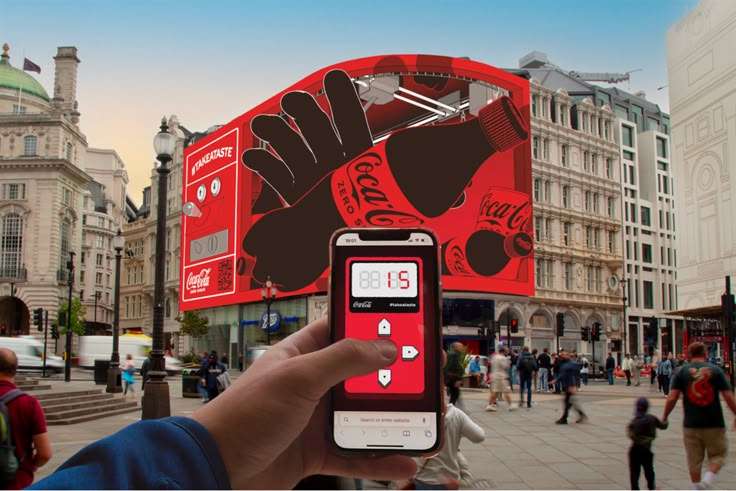
Immersive retail technology powered by AR is changing how we interact with products in physical stores. For instance, AR-enabled mirrors and screens allow shoppers to view and interact with virtual products while still in the store. This technology brings an interactive and gamified element to shopping, encouraging customers to spend more time in-store and engage with the brand in new ways.
Whether it’s through AR-enabled product displays, interactive kiosks, or personalized promotions, immersive technology has the potential to make shopping more entertaining and informative. As a result, retailers can create more memorable experiences that leave a lasting impression on customers, encouraging repeat business and fostering brand loyalty.
AR in Home Decor Shopping: Visualizing Your Space
Another significant area where AR is making an impact is in home decor shopping. One of the biggest challenges when shopping for furniture or home accessories online is visualizing how the products will look in your own home. Thanks to AR, this problem is now easily solvable.
Using AR, consumers can virtually place furniture, paintings, or other decor items into their living spaces to see how they fit within their existing environment. This capability allows for a seamless shopping experience, enabling customers to make better decisions and ensuring the right fit before making a purchase. Brands like IKEA have already adopted this technology, allowing users to see how different pieces of furniture would look in their homes through their mobile app.
Reducing Return Rates with AR
One of the most significant advantages of AR in retail is its ability to help reduce return rates. Many online shoppers experience regret after purchasing a product because it doesn’t look as expected in real life, whether it’s clothing that doesn’t fit or furniture that doesn’t match the room’s aesthetic. By offering interactive product visualization and virtual try-ons, AR helps bridge the gap between expectation and reality, allowing consumers to make more informed purchasing decisions.
By providing a more accurate and engaging way to preview products, AR reduces the likelihood of returns and ensures higher customer satisfaction. This is particularly valuable in sectors like fashion, where returns are often costly for retailers.
Enhancing Customer Engagement with AR
Enhancing customer engagement with AR is one of the most compelling benefits of this technology. AR offers retailers a unique opportunity to create a more interactive and personalized shopping experience, increasing consumer involvement and time spent with the brand. By offering AR experiences, brands can engage customers in creative ways—such as interactive ads, virtual store tours, or personalized styling advice.
This level of engagement not only drives sales but also helps build a stronger connection between consumers and brands. When shoppers feel more connected to a brand, they are more likely to share their experiences, return for future purchases, and recommend the brand to others.
AR Applications in E-Commerce: Transforming the Online Shopping Journey
The integration of AR into e-commerce platforms is becoming increasingly prevalent. Online retailers are now using AR to offer virtual fitting rooms, immersive product demos, and interactive 3D views of their products. These features enhance the online shopping journey by allowing consumers to virtually experience the product before making a purchase. This fosters trust and confidence in the brand, which is crucial in the digital shopping world.
With AR applications in e-commerce, brands can provide customers with a shopping experience that mimics the in-store experience while offering the convenience of shopping from home.
Consumer Behavior and AR Technology
As AR technology continues to evolve, so too does consumer behavior. Shoppers are becoming more tech-savvy and expect more interactive, personalized, and convenient shopping experiences. As AR becomes a larger part of the shopping experience, consumers will increasingly rely on it to make purchase decisions, interact with brands, and visualize products in new ways.
Retailers who embrace AR technology early will have a competitive advantage, as they can cater to the growing demand for innovative and immersive shopping experiences.
Conclusion
The potential for AR to transform the retail industry is immense. From fashion retail to home decor, AR is creating immersive shopping experiences that engage customers in new and exciting ways. By leveraging AR applications, retailers can reduce return rates, enhance customer engagement, and drive sales. As AR continues to advance, the future of retail is poised to be more interactive, personalized, and engaging than ever before.