
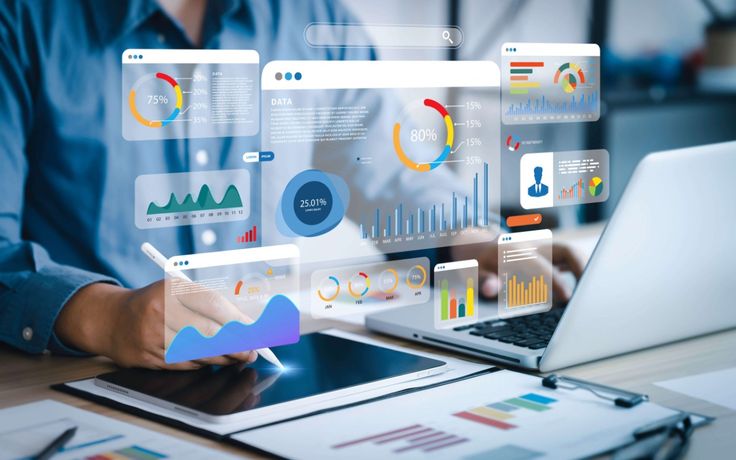

The digital marketing landscape is evolving at an unprecedented pace, and one of the most transformative forces driving this change is Artificial Intelligence (AI). Businesses that embrace AI-driven marketing strategies are gaining a competitive edge by delivering personalized experiences, optimizing ad performance, and automating complex tasks. As we step into 2025, the impact of AI in digital marketing is more profound than ever, revolutionizing how brands engage with their audience and drive conversions.
In this article, we’ll explore how AI-powered marketing is reshaping the industry and why integrating machine learning in marketing is no longer optional but essential for success.
1. AI-Powered Personalisation: The Future of Customer Engagement
Gone are the days of generic marketing campaigns. Consumers now expect hyper-personalised experiences tailored to their preferences and behaviours. AI-powered personalisation enables businesses to analyse vast amounts of data in real time, allowing for dynamic content recommendations, customised email marketing, and targeted advertising.
For example, AI-driven algorithms track user interactions across websites and social media, predicting what content or product a consumer is most likely to engage with. This level of personalisation significantly enhances customer engagement and boosts conversion rates. Brands like Amazon and Netflix have already mastered this technique, setting a new standard for AI-driven customer experiences.
2. Predictive Analytics: Data-Driven Decision Making
One of the most powerful applications of AI in digital marketing is predictive analytics. By leveraging historical data, AI can forecast customer behaviors, purchase patterns, and emerging market trends. This enables marketers to make proactive decisions rather than reactive ones.
For instance, an AI-driven marketing strategy can predict which leads are most likely to convert, allowing businesses to allocate resources more efficiently. This technology is also being used in AI-powered marketing automation, where AI identifies the best time and channel to reach potential customers, maximizing engagement and ROI.

4. AI in Content Marketing: Creating and Optimizing High-Impact Content
Content remains king, but the way it is created and optimized is undergoing a massive transformation thanks to AI in content marketing. AI-powered tools can generate blog posts, social media captions, and email newsletters with remarkable accuracy, saving time for marketers while maintaining quality.
Additionally, AI-driven SEO strategies ensure that content ranks higher in search engines by analyzing search trends, suggesting high-impact keywords, and optimizing meta descriptions. Tools like Surfer SEO and Clearscope are helping marketers craft data-driven content that resonates with their audience.
5. Programmatic Advertising: Smarter Ad Targeting with AI
Programmatic advertising is another area where AI is making a significant impact. Traditional ad placements are often inefficient and costly, but AI-driven advertising platforms use real-time bidding and machine learning in marketing to optimize ad performance.
These platforms analyze user behavior, demographics, and interests to ensure ads are displayed to the right audience at the right time. As a result, businesses experience higher ad engagement, improved conversion rates, and lower customer acquisition costs.
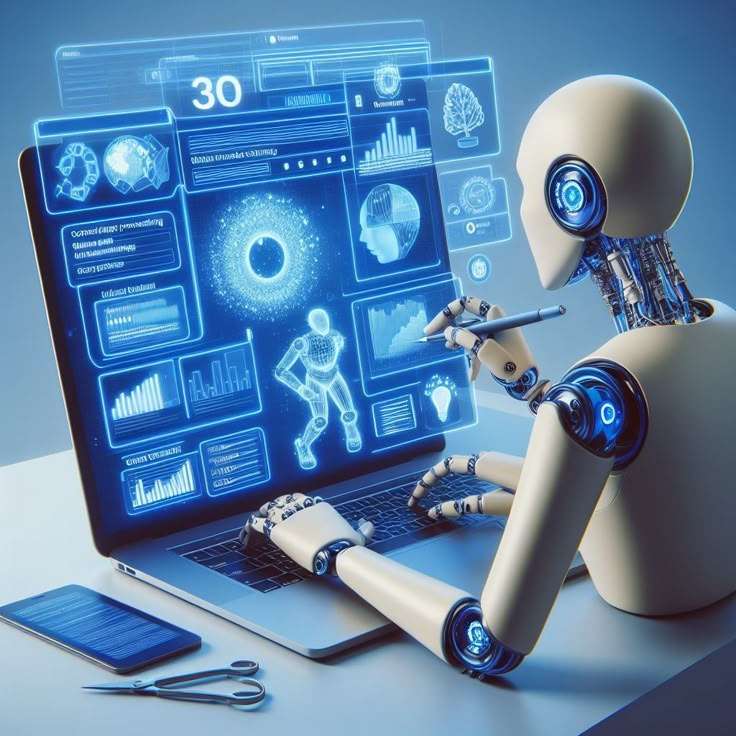
6. Marketing Automation with AI: Efficiency at Scale
With marketing automation with AI, businesses can streamline repetitive tasks, such as email marketing, social media scheduling, and customer segmentation. AI-powered tools can analyze customer data to determine the best messaging, timing, and frequency for marketing campaigns.
For example, AI-driven email marketing platforms can personalize subject lines, optimize send times, and segment audiences based on past interactions. This level of automation allows businesses to scale their marketing efforts without compromising on quality or engagement.
Conclusion: The AI Revolution in Digital Marketing
As we move into 2025, the role of AI in digital marketing will only continue to expand. From AI-powered personalization to predictive analytics and AI-driven SEO strategies, businesses that leverage AI technology will gain a significant competitive advantage.
The key to success lies in embracing AI-driven marketing strategies that enhance customer experiences, improve decision-making, and optimize campaign performance. Whether through AI chatbots for customer service, AI in content marketing, or programmatic advertising, the future of digital marketing is undoubtedly AI-driven.
Now is the time to integrate AI into your digital marketing strategy and stay ahead of the curve. The brands that adapt will not only survive but thrive in the ever-evolving digital landscape.