

AI in Marketing vs. Human Creativity: How Artificial Intelligence Is Shaping Content Marketing in 2025?
In the fast-paced world of digital marketing, one of the most talked-about shifts in 2025 is the growing dominance of AI in marketing, especially in content creation. From automated copywriting tools to AI-generated images and personalised content recommendations, AI in marketing is no longer just a supportive tool—it’s now a central player. But with this advancement comes a crucial question: Can artificial intelligence in digital marketing truly replace human creativity, or is it best used to enhance it?
The Rise of AI in Content Creation
Today, AI tools for content creation like ChatGPT, Jasper, and Copy.ai are producing blog posts, social media captions, ad copies, and even video scripts in a matter of seconds. These platforms use natural language processing (NLP) and machine learning (ML) to understand context, tone, and audience preferences. The benefits? Marketers can generate high volumes of content at lower costs, all while maintaining consistency and speed. This is one of the main reasons for the increasing popularity of AI in marketing.
AI is also making waves in the design world. Tools like Midjourney and DALL•E 3 generate stunning visuals that rival human-created designs, offering endless possibilities for marketing campaigns without the need for traditional graphic design expertise.
What AI Can Do Better?
- Data Analysis: AI can analyse customer behaviour, trends, and performance metrics faster than any human.
- Personalisation: AI can tailor content for different audience segments at scale, making messages more relevant and timely.
- Efficiency: AI drastically reduces the time needed for brainstorming, drafting, and editing.
- A/B Testing: Many AI tools now assist in creating and testing multiple versions of ads or content pieces, helping marketers find what resonates most.
These factors make AI in marketing an indispensable tool in any successful digital campaign, emphasizing the essential role of AI-generated content.
The Human Touch Still Matters
Despite its advantages, AI has limitations. It struggles with:
- Emotional depth and storytelling: Human experiences, cultural nuances, and emotional storytelling are still best handled by real people.
- Brand voice consistency: AI can mimic tone, but it may miss the deeper brand identity that a human writer can capture.
- Ethics and originality: AI pulls from existing data, which can lead to generic content or ethical concerns around plagiarism.
- Strategic Thinking: While AI can assist, it lacks the long-term vision and context awareness needed for holistic brand strategies.
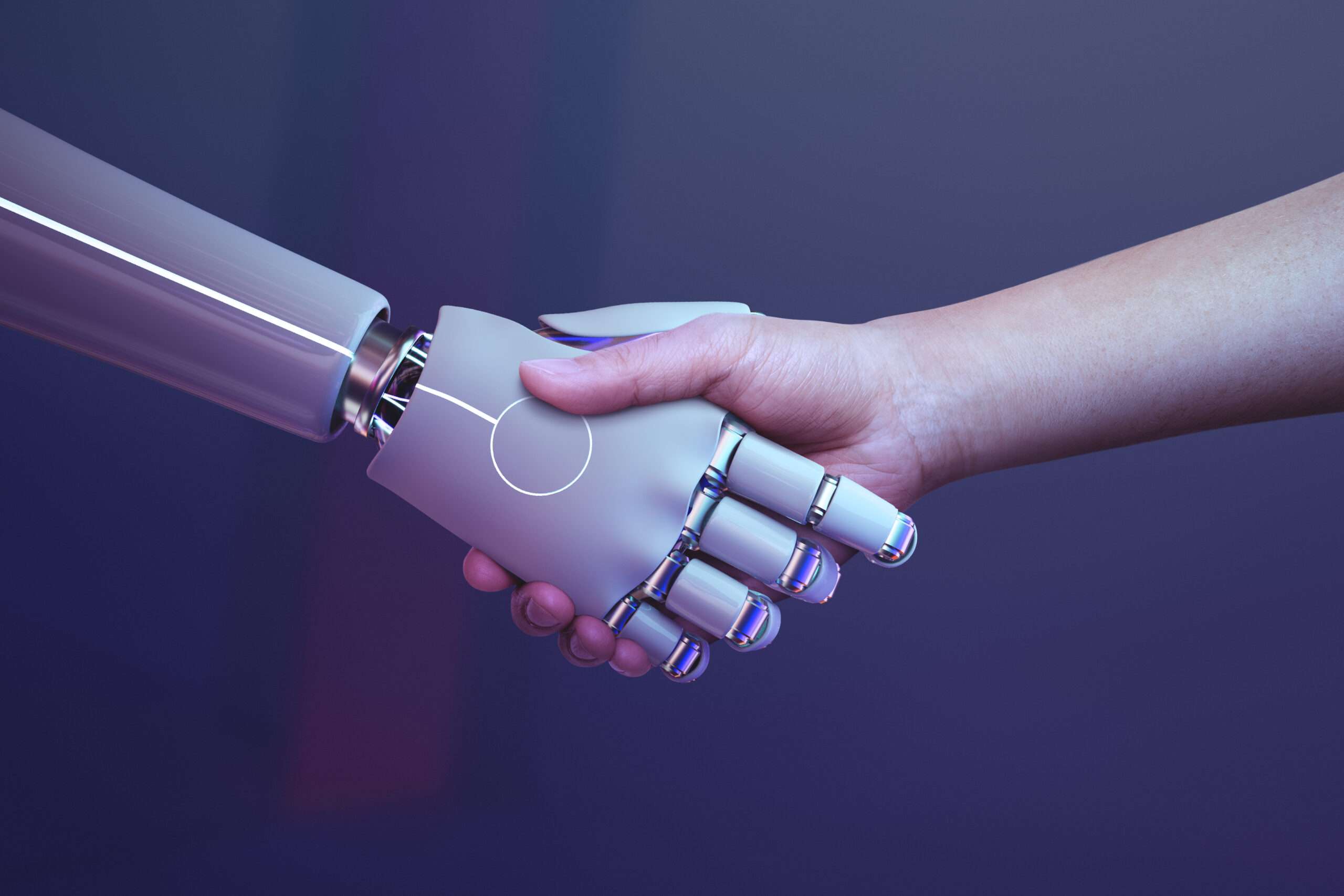
The Future: Collaboration Over Competition
Rather than viewing AI as a replacement, savvy marketers are using it as a powerful collaborator. Think of AI in marketing and artificial intelligence in digital marketing as the assistant that handles the heavy lifting—drafting, research, basic design—while humans focus on strategy, creativity, and emotional resonance.
Forward-thinking digital marketing agencies are even creating hybrid workflows where AI performs the initial work and human creatives refine, polish, and add the emotional touch. This collaboration speeds up processes without sacrificing quality.
In 2025, successful content marketing strategies will be those that balance AI’s capabilities with human insight. For digital marketing agencies in Saudi Arabia and beyond, this means investing in both AI tools and creative talent—this is the golden balance in using AI in marketing.
Final Thoughts
The content marketing landscape is evolving rapidly. AI in marketing is here to stay, but the importance of the human touch cannot be ignored. The brands that thrive will be the ones that know how to use both in harmony, leveraging AI for efficiency and humans for authenticity. By embracing a collaborative mindset, agencies can create more powerful, personalised, and emotionally engaging content that resonates with modern audiences.